 Do you suffer from poor posture? Whether you’re sitting down at a desk, standing, walking or running, you should focus on maintaining your body’s natural position. This means keeping your head and neck up while avoiding slouching or slumping. The good news is that you can reverse the effects of poor posture by following some simple steps.
Some of the physiological problems linked to poor posture include:
- Headaches
- Scoliosis
- Kyphosis (hunched back)
- Herniated disc
- Abdominal pain
- Gastroesophageal reflux disease
- Joint degeneration / arthritis
- Muscle tension
- Acid reflux
- Heartburn
- Temporomandibular joint dysfunction (TMJ) — problems related to the chewing muscles and joints.
 Food allergies shouldn’t prevent you from dining out with your friends and family. Unfortunately, though, many people with food allergies resort to cooking their own meals to reduce the risk of an adverse reaction. From dairy and nuts to gluten (wheat-based protein) and shellfish, there are certain foods that people must avoid to prevent adverse reactions.
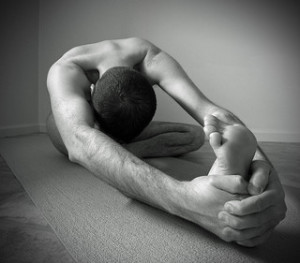 There are many ins and outs of stretching; both literally and figuratively. Some of the most appealing aren’t always the best ones. It is going to likely hurt a little when you stretch muscles that haven’t been stretched in a while, and even ones that just haven’t been worked out every single day. But do not over stretch, or stretch to a place that is far more uncomfortable than necessary. It is possible to get seriously injured like that.
  A recent study found that meditation beats ordinary rest when it comes to dealing with difficult emotions and memories. Even better, the form of meditation that works best is one you can do while you are enjoying a soothing massage.